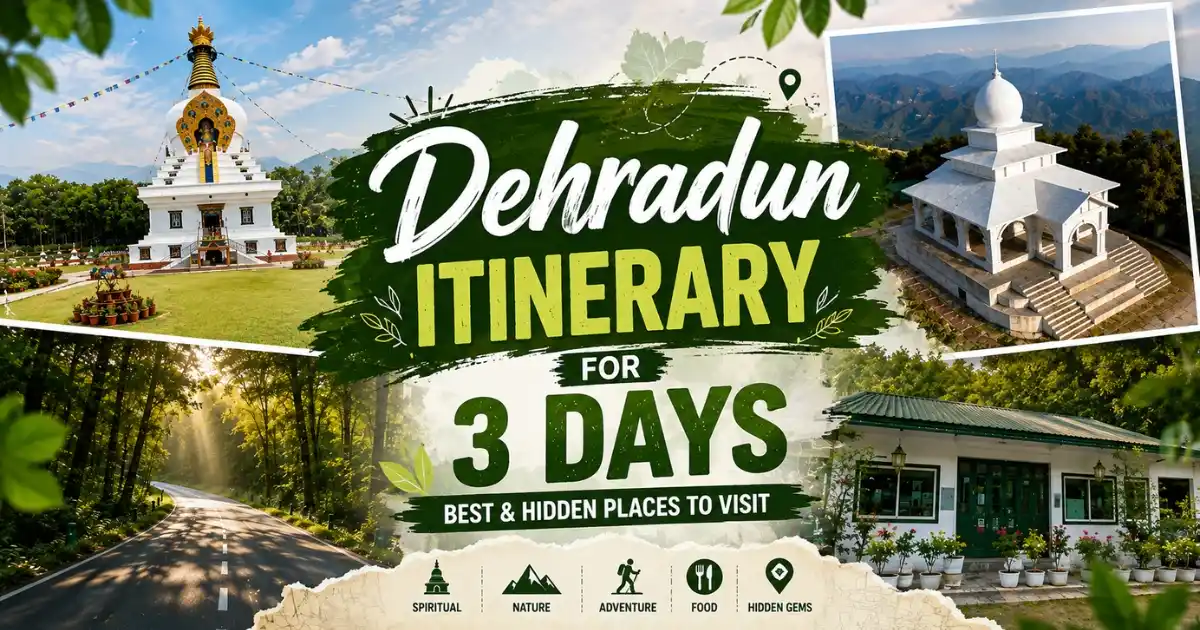
Only have three days in Dehradun? What should make the cut?
The answer depends on what you want from the trip. Sahastradhara, Maldevta and Thano work well together for a day around rivers and quieter rural areas. The next day can take you towards the foothills for Bhadraj Temple and Kimadi, while the final day stays closer to the city with the Forest Research Institute, Tapkeshwar Temple and Mindrolling Monastery.
Dehradun sits in the foothills of the Himalayas and serves as a gateway to Mussoorie and the wider Garhwal region. There is plenty to see around the city, from forest roads and riverbeds to historic buildings and religious sites. Dehradun is sometimes treated as a stopover on the way to Mussoorie, but three days gives you enough time to explore the city at a slower pace.
This Dehradun itinerary for 3 days groups nearby attractions together so you spend less time crossing the city and more time at each stop.
Dehradun Tourist Places
The easiest way to fit these places into three days is to group attractions by location. That approach also helps when planning transport, particularly for the foothill roads where public transport options are limited.
Day 1 – Riverside & Village Trail
Area: Sahastradhara Road and the eastern outskirts
Suggested start: 7:30 AM
Main transport: Hired cab or rental two-wheeler
Walking intensity: Easy
Suggested duration: Full day
Sahastradhara
Sahastradhara, which means “thousand-fold spring”, is one of the best-known natural attractions around Dehradun. The site is associated with the Baldi River and its limestone formations, with water flowing across the rocky landscape.
An early visit gives you a quieter start and better conditions for photographs. You can walk around the riverbed and spend some time near the pools before moving on to the next stop.
If you are travelling with children, stay within the designated and safer areas around the water rather than treating the riverbed as a swimming spot.
Maldevta
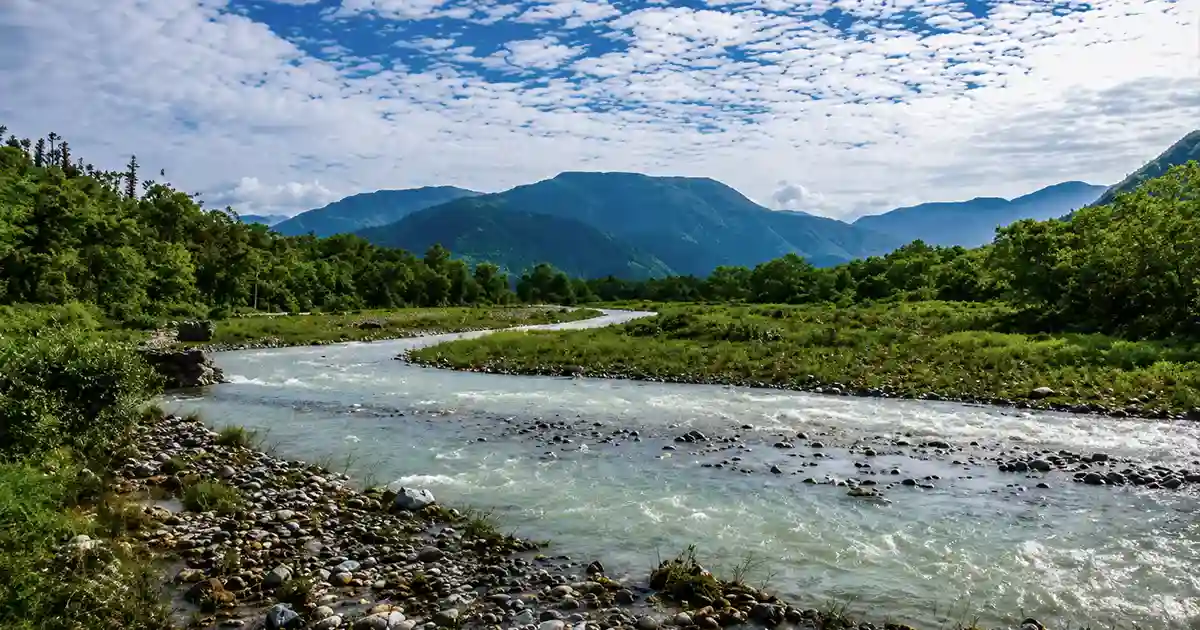
From Sahastradhara, continue towards Maldevta. The landscape changes quickly, with the built-up parts of the city giving way to open stretches around the Song River.
Maldevta is a good place to slow down for a while. The riverbed, surrounding hills and greenery create a natural setting for photographs, while small roadside stalls provide simple refreshments in some areas.
Spend as much time here as your schedule allows rather than trying to rush through every stop. The appeal of Maldevta is largely its open landscape and relaxed setting.
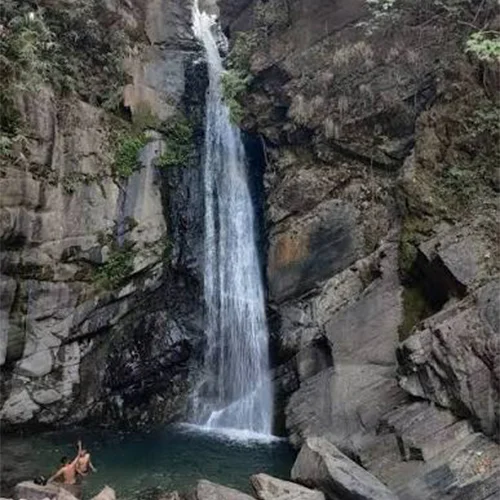
Thano Village Walk
Continue east towards Thano for the final part of the day. The route passes through forested stretches and quieter rural areas.
A walk around the village gives you a different view of the region, with agricultural land, local homes and the surrounding Sal forests. Keep the walk flexible rather than treating it as a formal trek. Local conditions and access can vary, particularly after rain.
Return to Dehradun in the evening and keep dinner plans close to your accommodation so you can finish the day without another long journey.
Read Our Blog>> Travelling to Dehradun: A Sightseeing and Food Guide
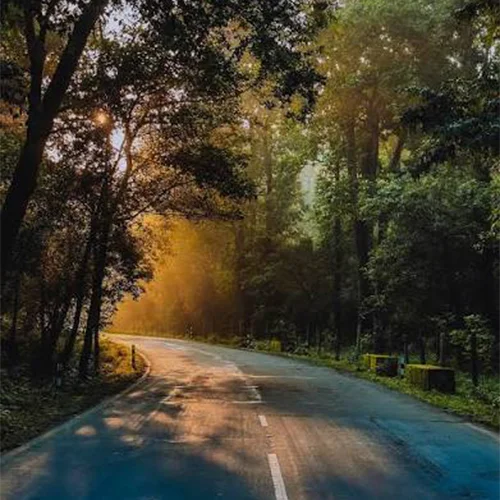
Best Places to Visit in Dehradun in 3 Days
Day two moves away from the city and into the foothills. It is the most physically demanding day of this Best Places to Visit in Dehradun itinerary, so start early and check local road and weather conditions before leaving.
Day 2 – Temples & Waterfall Adventure
Area: Mussoorie foothill roads
Suggested start: 6:30 AM
Main transport: Private vehicle recommended
Walking intensity: High
Suggested duration: Full day
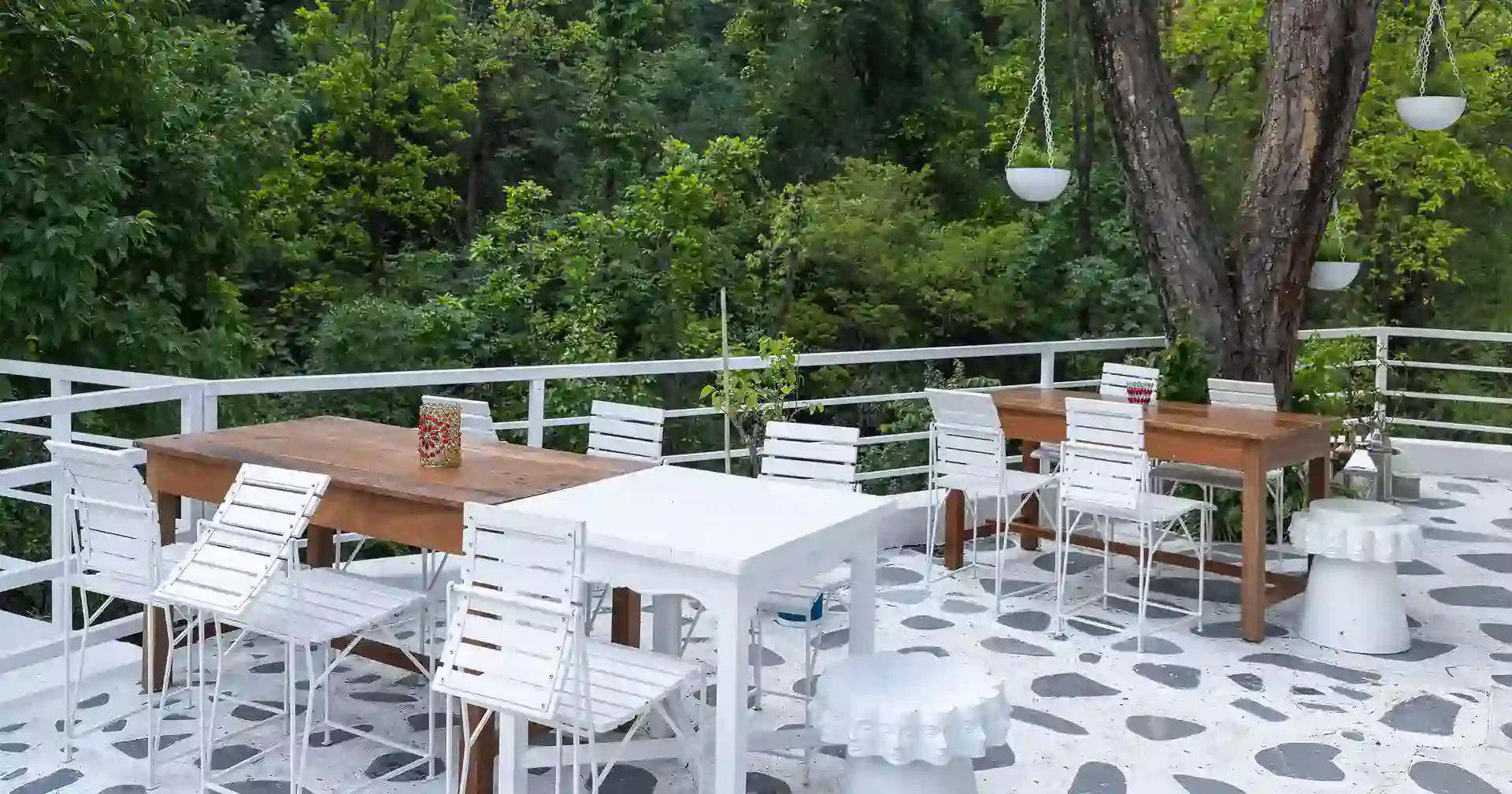
Dining stop: Foresta Cafe, Rajpur Road
Bhadraj Temple
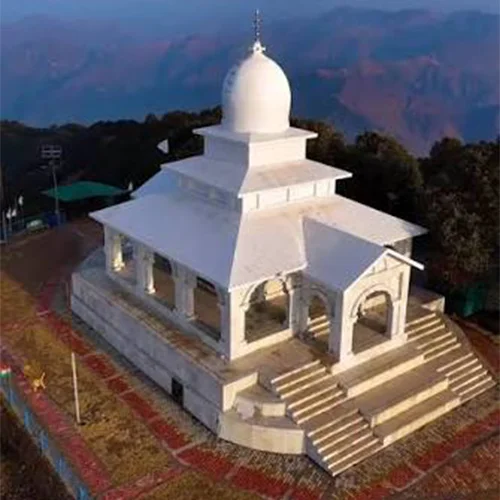
Bhadraj Temple is located on a ridge in the Mussoorie hills and is dedicated to Lord Balbhadra. The elevated location provides broad views towards the surrounding valleys and mountains.
The final approach involves a forest hike, but the distance depends on the trailhead and route you choose. Check the current trail conditions before setting out and carry water, particularly during warmer months.
The early start is useful for two reasons. You avoid the strongest afternoon heat and leave yourself enough time if the walk takes longer than expected.
Kimadi Waterfall
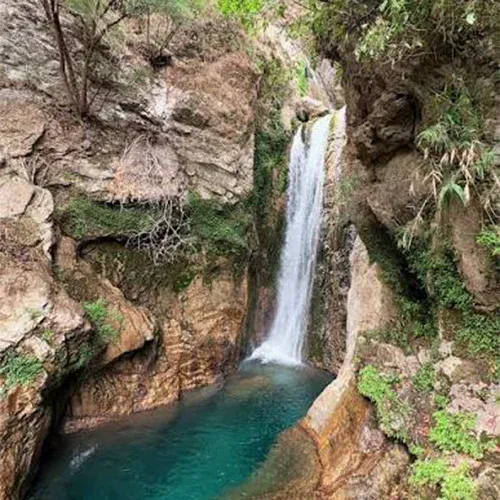
After Bhadraj, continue towards Kimadi. The forested road and winding bends make this stretch popular with cyclists and people looking for a quieter foothill drive.
Kimadi can be a worthwhile stop if you want to spend some time beside the stream rather than visiting another crowded attraction. The path to the water can become slippery after rain, so proper footwear is important.
There is no need to force this stop into the itinerary. If the Bhadraj trek takes longer than expected, skip Kimadi and return to Dehradun instead. That keeps the day manageable and avoids turning the itinerary into a race.
Foresta Cafe, Rajpur Road
Once you’re back on the main road, head towards Rajpur Road for lunch at Foresta Cafe.
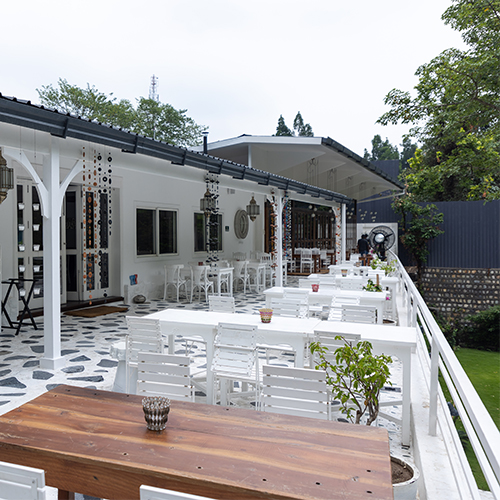
Located at 207 D Tibetan Lane near GRD College, the cafe offers indoor and outdoor seating surrounded by greenery. Its menu includes breakfast dishes, Indian mains, pasta, Asian dishes and coffee, giving groups plenty of choice after a morning outdoors.
It also makes practical sense as a break between the foothills and the rest of your day. Take some time for lunch before deciding whether you want to add another stop or return to your accommodation.
Day 3 - City Heritage & Culture
The final day stays closer to the main city. The pace is easier, making this the most flexible part of the itinerary.
Suggested start: 9:00 AM
Main transport: Cab, auto-rickshaw, shared Vikram or scooter
Walking intensity: Easy to moderate
Best suited to: Architecture, culture, photography and family sightseeing
FRI (Forest Research Institute)
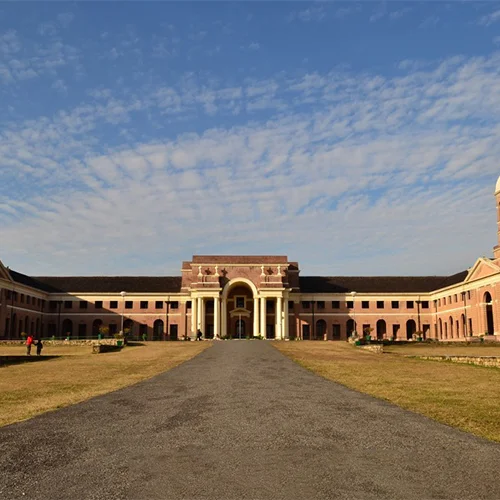
The Forest Research Institute is one of Dehradun’s most recognisable landmarks. Its main building combines Greco-Roman and colonial architectural influences and stands within a large 450-hectare campus.
The institute’s museums cover different aspects of forestry and natural resources. Give yourself around two hours if you want to see the building, museums and surrounding grounds without rushing.
Entry fees apply, and visitor access can be subject to current institute rules. Check the latest visitor information before your trip, particularly if you are planning your day around museum timings.
Tapkeshwar Temple
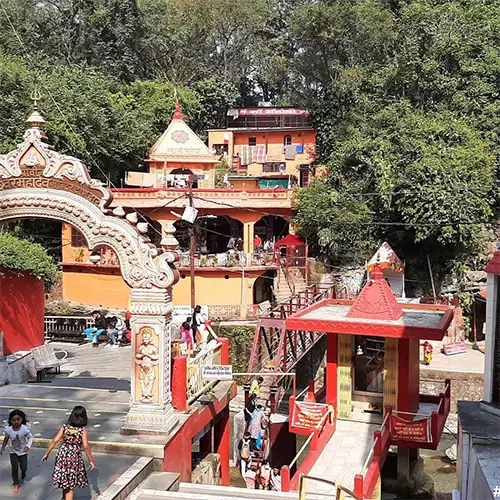
Tapkeshwar Temple is built around a natural cave and is one of Dehradun’s better-known religious sites. Water drips from the cave ceiling onto the Shiva Lingam, which is central to the temple’s identity.
The approach includes steps, so allow some extra time if you are travelling with older family members or anyone who finds uneven walking surfaces difficult.
The temple is also associated with stories from the Mahabharata. Whether you visit for its religious significance, natural setting or local history, it offers a very different experience from the large open spaces of FRI.
Buddha Temple, Mindrolling, Clement Town
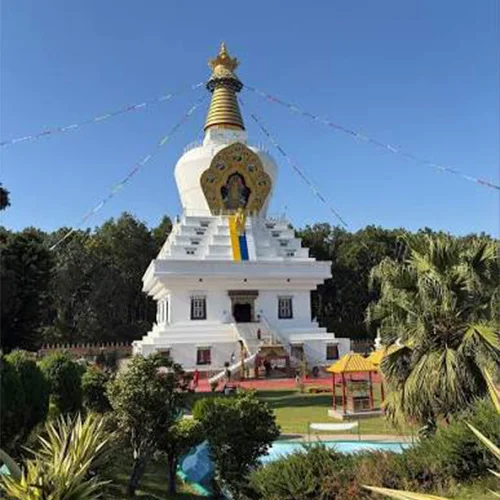
End the day at Mindrolling Monastery in Clement Town. The complex was established in 1965 and is home to the Great Peace Stupa, which stands 185 feet tall.
The grounds combine Tibetan Buddhist architecture, murals and landscaped gardens. The area around the stupa is particularly pleasant for a quiet walk later in the day.
After visiting the monastery, you can explore the surrounding Tibetan market area for momos, thukpa and butter tea.
Read Our Blog>> Best Food Places in Dehradun: 15 Iconic Spots Every Foodie Must Visit
Instagrammable Places in Dehradun From This Itinerary
You do not need to visit every popular viewpoint to get good photographs in Dehradun. Several of the stops on this itinerary already provide strong backdrops.
Location | What to Photograph | Suggested Time |
Maldevta | Riverbed, flowing water and surrounding greenery | Late afternoon |
FRI | Colonial architecture, brick details and lawns | Morning |
Sahastradhara | Limestone formations and cascading water | Early morning |
Buddha Temple | Great Peace Stupa, gardens and Tibetan architecture | Late afternoon |
At FRI, the architecture provides more structured compositions, while Maldevta and Sahastradhara work better for landscape photographs. At the Buddha Temple, be mindful of the site’s religious character and follow any photography restrictions.
Dehradun Trip Planning Tips
A little planning can make this three-day route much easier, especially because the outer attractions are spread across different parts of the valley.
Best Time to Visit Dehradun
March to June is generally suitable for sightseeing, although temperatures rise as summer progresses. October through February brings cooler conditions and can offer clear views towards the surrounding hills.
July and August are wetter months. Heavy rain can affect outdoor activities and road conditions on foothill routes, including the roads around Kimadi. If you are travelling during the monsoon, check local conditions before setting out.
How to Reach Dehradun
By Air: Jolly Grant Airport is Dehradun’s main airport and is around 20 to 25 kilometres from different parts of the city, depending on your destination. Taxis are available for the onward journey.
By Train: Dehradun Railway Station has rail connections with several major Indian cities, making the train a convenient option for many travellers.
By Road: Regular buses connect Delhi and Dehradun, while private vehicles and taxis are also common options. Driving time varies considerably with traffic, the route taken and your starting point in Delhi.
Local Transport
Auto-rickshaws and shared Vikram three-wheelers are useful for many journeys within Dehradun, but they are less practical for remote foothill locations.
A rental scooter can work well for independent travellers who are comfortable with hill roads. For families or groups, a private cab is usually more convenient, particularly when the itinerary includes Bhadraj or Kimadi.
Transport Mode | Best For | Things to Consider |
Scooter rental | Solo travellers and couples | Greater flexibility, but requires confidence on hill roads |
Private taxi | Families and groups | More comfortable for longer routes and foothill trips |
Shared Vikram | Shorter city journeys | Fixed routes and less flexibility |
Budget Tips
You can keep food costs under control by mixing local cafes with casual restaurants rather than eating at premium establishments for every meal. Tibetan eateries around Clement Town and roadside dhabas can provide inexpensive options.
Many outdoor areas do not have a standard entrance ticket, while attractions such as FRI may charge entry fees. Check current prices before visiting because fees and visitor rules can change.
Final Thoughts
Three days give you enough time to experience several sides of Dehradun without packing every hour with sightseeing. Day one focuses on rivers, villages and quieter landscapes. Day two takes you into the foothills, while day three brings together architecture, religion and Tibetan culture.
Keep Day 2 flexible. Bhadraj and Kimadi involve more walking than the other stops, and weather can affect the roads. If you are travelling with family or simply prefer a slower pace, dropping one of those stops is perfectly reasonable.
Use this Dehradun Trip plan as a starting point, then adjust the route around your interests, transport and energy levels. There is little benefit in rushing through five places just to say you visited them.
FAQ's
1. How many days are enough to explore Dehradun?
A:Three days are enough to cover several of the city’s major attractions while leaving time for natural areas around the outskirts. If you want to add Mussoorie or spend more time on longer treks, plan additional days.
2. What are the best hidden places to visit in Dehradun?
A:Thano, parts of Maldevta and Kimadi can offer a quieter experience than some of the city’s more established tourist attractions. However, how busy these places are can vary by season, weekends and weather.
3. What is the best time to visit Dehradun?
A:March to June is generally comfortable for sightseeing before the hotter part of summer. October to February brings cooler weather, while July and August are wetter and can make some outdoor routes more difficult.
4. Can this Dehradun itinerary be done without a private vehicle?
A:Yes, but the itinerary becomes easier with a cab or two-wheeler. Public transport works better for central Dehradun, while reaching places such as Kimadi, Thano and Bhadraj can require additional planning.
5. Is this itinerary suitable for a family trip?
A:It can work well for families if Day 2 is adjusted to suit everyone’s fitness level. FRI, Tapkeshwar Temple and the Buddha Temple are easier to include in a family itinerary, while Bhadraj and Kimadi involve more walking and may not suit young children or travellers with mobility concerns.
Would you like me to expand on the specific outdoor seating vibes at Foresta Café or perhaps list some must-try signature drinks?
 Book a Table
 Call
Call
 Contact Us
 Menu
Menu
 Directions