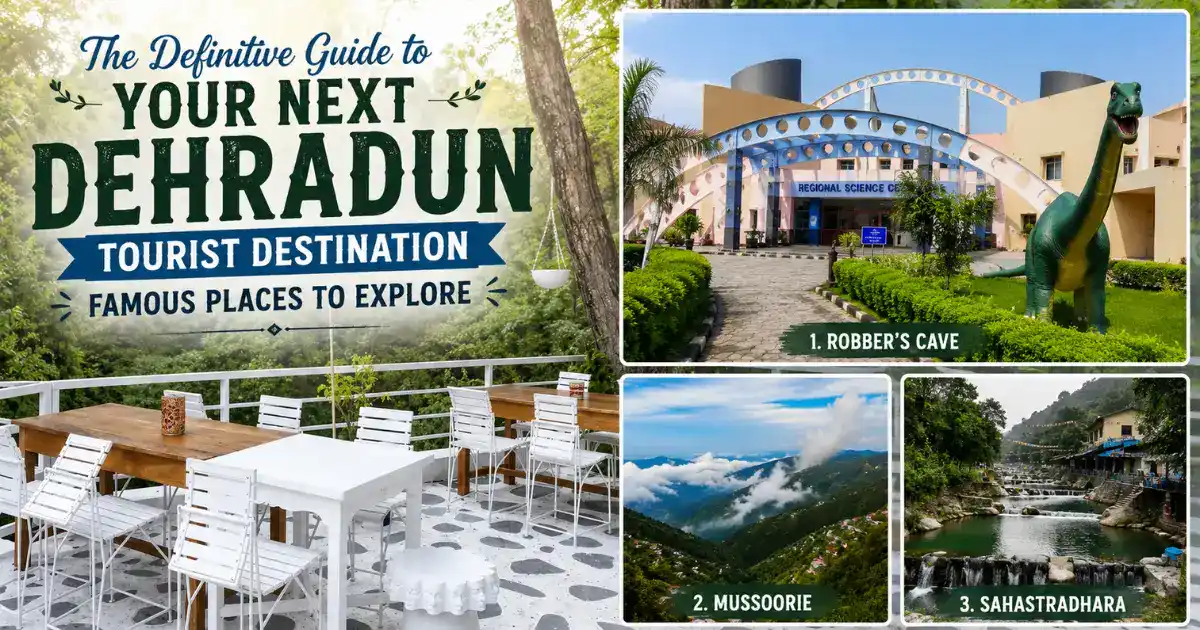
Table of Contents
- Introduction
- The Landscape: Understanding Valley Geography
- Forest Research Institute (FRI)
- Robber's Cave (Guchhi Pani)
- Dehradun Zoo
- Mindrolling Monastery
- Sahastradhara
- Maldevta
- Mussoorie Ridge Viewpoints
- Tapkeshwar Mahadev Temple
- Regional Science Center (RSC)
- Strategic Pitstop: Where to Eat and Relax Between Stops
- Destination Overview: Planning Your Stops
- Avoiding Common Travel Mistakes
- Wishing A Smooth Journey
- FAQ's

If the summer heat is getting intense, a trip to the hills probably sounds like the perfect escape. Mountain getaways are a classic choice for a holiday, whether you are looking to beat the sun or experience a crisp winter morning. However, before you pack your bags and drive straight up to the high-altitude resorts, it pays to look closer at what the valley itself has to offer.
Many tourists make the mistake of treating Dehradun as a basic transit stop. They pass right through the bypass roads, missing out on remarkable geographic formations and historic landmarks just minutes away. This often leads to spending hours stuck in uphill mountain traffic, only to arrive at crowded hill stations where finding a quiet spot is a challenge.
A better approach is to slow down and explore the foothills. The Doon Valley houses lush sub-tropical forests, landmark colonial architecture, and deep river caves that are perfect for curious students and families looking for a relaxed weekend pace. Finding the right places to visit in Dehradun simply requires looking past standard holiday brochures to discover how the landscape is actually laid out.
The Landscape: Understanding Valley Geography
For efficient planning of your travel route, it is important to know the geography of Doon Valley. Dehradun is located within the Doon Valley, which is protected by two prominent geographical barriers, namely the lesser Himalayas on the northern side and the Shivalik ranges on the southern side. There are two river systems running through this region, with the perennial river Yamuna marking the western boundary and the river Ganga the eastern boundary.
This geography creates a mild microclimate. The northern rim of the valley benefits from cool downslope mountain winds every evening, dropping temperatures noticeably below the flat plains of North Indian states. It is along this cooler northern corridor, where downtown streets give way to dense oak and Sal forests, that you will find some of the most refreshing spots in the area.
Forest Research Institute (FRI)
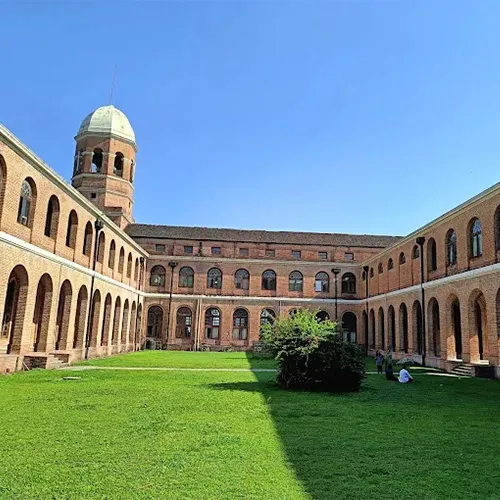
This place is certainly for families with kids and want them to experience architectural history and natural science. This massive heritage estate is an essential stop. Designed by British architect C.G. Blomfield and completed in the late 1920s, the main building is a monumental Greco-Roman brick structure famous for its grand corridors and vast lawns. The campus serves as a working center for forestry research in India.
What to Explore Inside
- Silviculture and Timber Museums: These halls contain models of forest management alongside giant cross-sections of ancient trees, showing how tree rings record historic climate changes.
- Entomology and Forest Displays: This is an absolute wonder. Specialized galleries show thousands of classified insect specimens and technical exhibits detailing forest conservation.
- Practical Advice: Since, the campus is vast, so be prepared for some good amount of walk. Visitors should check current entry timings and fees locally, as updates occur periodically for campus maintenance.
This institution adheres to strict administrative rules to ensure the safety of its research being conducted currently.
Tip for Tourists: Remember not to stray from the tourist walkways and museum grounds, as venturing into the research fields or faculty areas will incur an immediate fine by campus security.
Robber's Cave (Guchhi Pani)
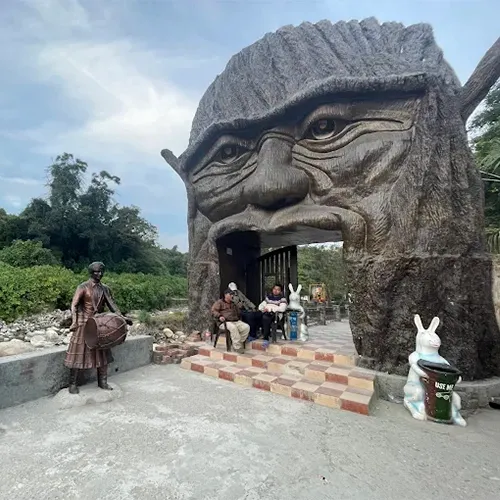
Located in the Anarwala region, roughly 8 kilometers away from the downtown area, this is one of the most beautiful places in Dehradun to witness some rare river geology. This place showcases nature’s marvelous architecture as it is a naturally occurring gorge carved by a permanent stream that runs through the mountains, slowly wearing down the soft rock formations for several thousand years. As a result, a 600-meter-long canyon is created, where the rocks form vertical walls that do not allow sunlight to enter inside.
What to Expect
- The Terrain: You will be walking through cool, knee-deep flowing water over a natural bed of smooth river gravel.
- The Main View: A powerful 10-meter natural waterfall drops through a narrow rock fissure at the far end of the cave channel.
- Preparation: Wearing secure rubber sandals or water shoes with good grip is highly recommended to stay steady on the smooth, wet rocks.
Because exploring the deep recesses of the cave involves wading directly through the stream, parents should pack a complete change of clothes and towels for the entire family. It is a refreshing adventure, but arriving before 10:00 AM during the summer months is wise if you want to avoid the largest crowds.

Dehradun Zoo
Located along the base of the Shivaliks directly on the highway to Mussoorie, this zoological reserve is a dedicated center for regional wildlife care and conservation. The facility is well-laid out and easy to navigate on foot, making it a comfortable alternative to larger wilderness sanctuaries for families traveling with young children or senior citizens. Paved pathways run beneath native trees, allowing you to see the entire grounds in about two hours.
Animal Highlights
- Avian Section: Large, walk-through enclosures housing a variety of birds, including colorful pheasants and native peacocks.
- Mammal Enclosures: Dedicated spaces for spotted deer, barking deer, Nilgai antelopes, and rescued leopards.
- Aquatic and Reptile Wing: An indoor center showcasing local freshwater fish, tropical marine species, and regional reptiles.
The zoo is regularly closed on Mondays for animal healthcare assessments and habitat cleaning, so plan your week accordingly. It offers a low-cost, engaging stop where children can observe regional animals up close in a clean environment.
Mindrolling Monastery
Located in the Clement Town area in the southern part of the valley, this grand institution is a prominent center for the preservation of Tibetan Buddhist culture, traditional art, and advanced studies. Established in the mid-1965 period, the complex is dominated by the Great Stupa, an architectural landmark rising over 60 meters into the air.
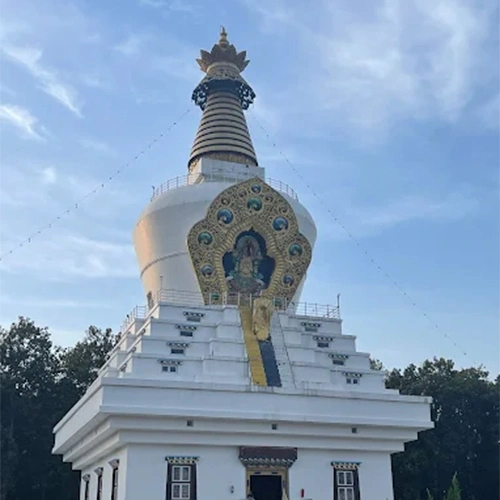
Key Features
- The Architecture: The exterior walls feature intricate, hand-painted murals depicting historical narratives using traditional mineral pigments.
- The Grounds: Wide, clean green lawns surround a towering, 31-meter tall statue of Buddha set against the backdrop of the hills.
- The Atmosphere: The prayer halls and libraries offer a quiet, contemplative space that feels worlds away from the busy commercial markets downtown.
The peaceful environment makes it a wonderful place for a relaxed walk. Visitors are required to remove their shoes before entering the main temple rooms, helping maintain the quiet, respectful atmosphere inside the prayer spaces.
Sahastradhara
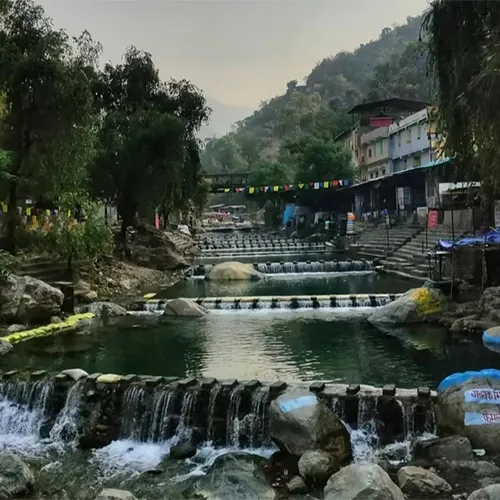
This name means “The Thousand-Fold Spring,” which accurately depicts the large limestone cliff that is drenched by many small springs that pour out constantly into a common river valley. This location is found on the eastern side of Dehradun on the Baldi River and is famous because of its sulfur-linked rock pools.
Features and Amenities
- Natural Terraces: Built-in stone steps allow visitors to easily access the flowing water and pools. Many travelers visit because they believe these sulfur-rich waters provide therapeutic benefits for the skin.
- The Ridge Ropeway: An electric cable car system carries passengers up to the top of the overlooking hill for a broader view of the river valley.
- Limestone Formations: Small river caves sit just above the water level, displaying natural stalactites formed by mineral-heavy water over decades.
The area is highly popular on hot summer weekends, which can lead to busy parking lots and crowded pools. For the cleanest water and a peaceful experience, plan to arrive early in the morning.
Maldevta
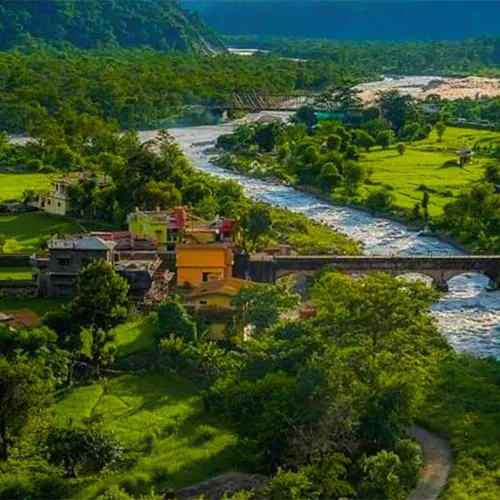
Maldevta is one of the most tranquil Dehradun tourist destinations and is a straight getaway into nature located at a distance of approximately 17 km from the clock tower of Dehradun. This picturesque valley lies adjacent to the banks of the Song River and is renowned for its clean streams, rocky river beds, and greenery. Unlike most other tourist places, Maldevta still manages to maintain its natural beauty, which makes it a perfect picnic spot for nature lovers.
Things to Enjoy
- The Riverbed: A vast expanse of river stones where the shallow water braids into multiple smaller channels, perfect for a quiet evening sit.
- Adventure Sports: On days with clear weather and favorable wind patterns, local operators run paragliding flights from the nearby ridges.
- Local Agriculture: The surrounding hillsides are dotted with traditional homesteads and terraced fields where local crops like red rice are grown.
This region lacks the commercial stalls and paved parks of downtown attractions, providing an authentic look at the Himalayan foothills instead. It is a great place to set up a folding chair, enjoy a picnic, and listen to the river.
Mussoorie Ridge Viewpoints
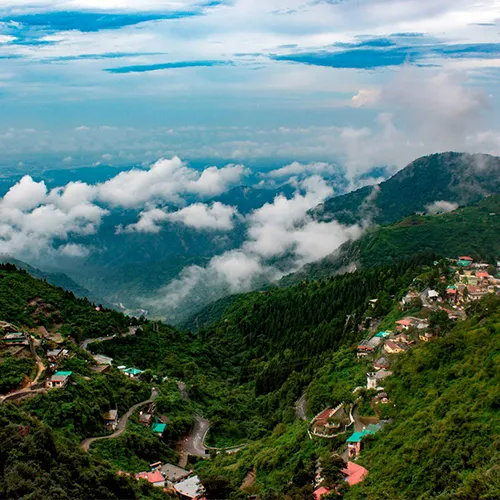
Though Mussoorie is a distinct hill station, its lower viewpoints sit just 30 kilometers north of Dehradun, making them a natural addition to a valley vacation plan. The road scales upwards significantly within an hour of driving, offering a clear view of how the vegetation shifts from sub-tropical bamboo and scrub near the valley floor into thick mountain forests of oak, pine, and cedar.
Elevation and Landscape Shifts
Feature | Dehradun Valley Floor | Mussoorie Lower Ridge |
Elevation Profile | Around 450 meters above sea level | Up to 2,000 meters above sea level |
Surrounding Forests | Predominantly Sal forests and bamboo | Himalayan oak, pine, and deodar cedar |
Ground Conditions | Rich river gravel and soft limestone | Hard quartzite and metamorphic rock layers |
General Weather | Humid sub-tropical climate | Temperate mountain climate |
The high mountain wall catches incoming rain clouds, keeping summer afternoon temperatures much cooler than the valley below. Stopping at the roadside viewpoints gives you a panoramic look across the entire expanse of the Doon Valley grid.
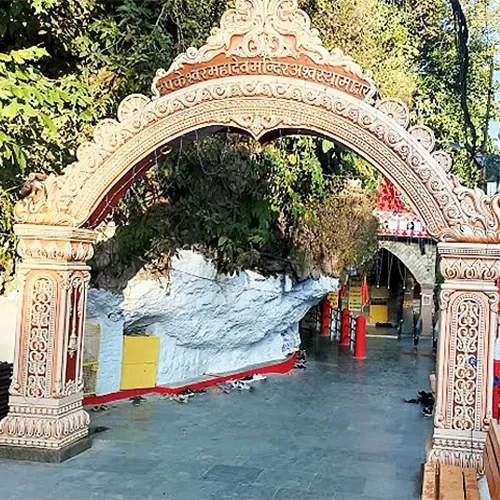
Tapkeshwar Mahadev Temple
This historic cave temple is tucked inside a deep river canyon carved by a seasonal mountain stream on the western side of the city’s cantonment forest zone. The main shrine sits directly within a low-ceilinged natural limestone cave, where water droplets continuously seep through the rock roof to drip steadily onto the stone deity below.
Layout Details
- The Cave Entrance: A low, natural rock opening that requires visitors to bow slightly to enter the primary chamber.
- The Suspension Bridge: A secure iron footbridge spans the active seasonal stream, connecting the two sides of the temple grounds.
- Sulfur Pockets: Small subterranean water springs are located near the outer structures, maintaining a cool temperature throughout the complex.
The location provides a genuine look at an ancient forest shrine that has been preserved without heavy concrete modifications to the original cave structure. The natural shade and running water keep the canyon air refreshing, making it a very comfortable stop during a hot afternoon.
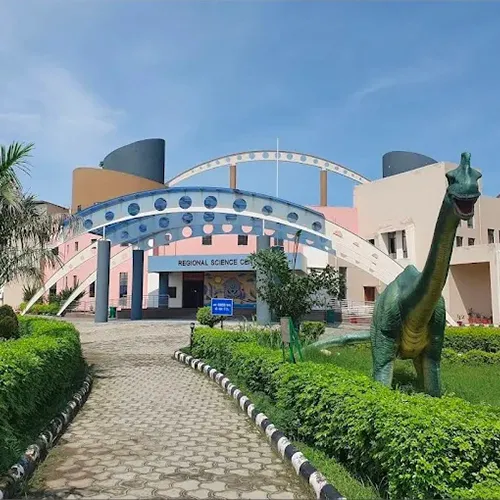
Regional Science Center (RSC)
Located near the Jhajra forest range on the western highway, this purpose-built educational center is managed by the National Council of Science Museums. The facility is specifically planned to turn scientific ideas into practical, hands-on exhibits, making it highly engaging for school-age children and teenagers.
Key Exhibition Hubs
- The Himalayan Gallery: Features detailed 3D models showing how tectonic plates collided to create the Himalayan range, alongside real-time earthquake monitoring displays.
- The Science Park: An outdoor lawn filled with large, durable mechanisms that let visitors experiment with the physics of pulleys, optics, and sound resonance.
- Planetarium and Theater: A high-definition projection space that holds scheduled daily screenings of documentaries focused on space science and nature.
The center offers an excellent indoor alternative when rainy afternoons or peak summer temperatures make outdoor trekking uncomfortable. The interactive nature of the exhibits means children can learn through play, making it a highly productive family stop.
Strategic Pitstop: Where to Eat and Relax Between Stops
When managing a full day of sightseeing along Rajpur Road, Robber’s Cave, or the main highway to Mussoorie, planning a smart refreshment stop is just as important as choosing your destinations. A well-timed break keeps the family energized and makes the transition between activities much smoother.
Take a Break at Foresta Cafe
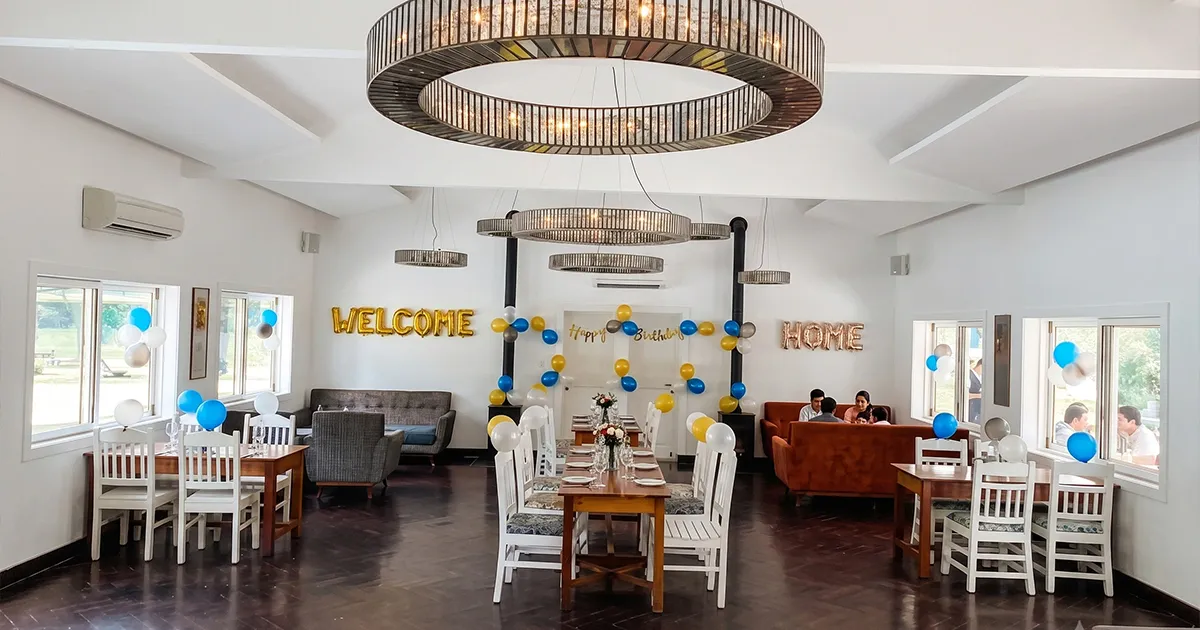
For an option that keeps you close to nature without heading into the crowded commercial blocks downtown, Foresta Cafe is a practical choice. It is situated on the upper stretch of Mussoorie Road, positioned right within a protected patch of mature Sal forest. The café features heavy timber decks suspended above the forest floor, creating an open-air dining space where the trees act as a natural acoustic buffer against highway traffic.
Practical Visitor Guide for Foresta Cafe
- Seating and Vibe: Mostly open-air deck seating under a thick forest canopy. It is noticeably cooler than the city center during summer afternoons and offers excellent birdwatching opportunities.
- The Menu: The kitchen specializes in wood-fired pizzas baked in a high-temperature brick oven using long-fermented artisanal dough. They avoid heavy, processed oils, which is a major benefit for children or anyone prone to motion sickness before driving up the winding mountain roads. Plenty of vegetarian options are available.
- Family and Accessibility Logistics: The property is highly family-friendly with comfortable walking surfaces. There is dedicated on-site parking available, though the area can get busy on weekend evenings between 5:00 PM and 8:00 PM. Arriving for an early lunch around 12:30 PM is the best way to secure a quiet table without a wait.
Destination Overview: Planning Your Stops
Destination | Primary Appeal | Suggested Time | Best Suited For |
Forest Research Institute | Architecture and historical walks | 2 to 3 Hours | Families and history enthusiasts |
Robber’s Cave | Stream walking and canyon exploring | 2 to 2.5 Hours | Active travelers and families |
Dehradun Zoo | Wildlife viewing and easy walking | 2 Hours | Young children and seniors |
Mindrolling Monastery | Peaceful grounds and cultural landmarks | 1.5 Hours | Anyone looking for quiet |
Regional Science Center | Interactive science models | 2 to 3 Hours | Students and curious minds |
Avoiding Common Travel Mistakes
One of the most frequent oversight errors travelers make when visiting Dehradun is ignoring regional closure schedules. Local authorities space out rest days for different public spots to manage city traffic smoothly. For instance, planning a trip to the Dehradun Zoo on a Monday or arriving at certain research zones during public holidays can lead to locked gates and disrupted schedules. Always check local operational days before setting out.
Another common issue comes from being unprepared for the natural terrain at water-based sites like Robber’s Cave or Sahastradhara. Standard leather shoes or formal attire are entirely unsuited for these locations. The wet, mossy rocks require footwear with excellent rubber traction. Parents should always keep a spare bag with dry clothes and towels in the vehicle, as sudden mountain showers or a splash in the river channels can quickly leave you damp.
Wishing A Smooth Journey
A successful trip through the Doon foothills relies on a good mix of outdoor activity, historical sightseeing, and timely rest stops. Instead of spending your day stuck in the crowded, busy commercial streets of the central city, point your vehicle toward the higher, greener northern paths along Rajpur Road and Mussoorie Road. Starting your day early lets you explore expansive properties like the Forest Research Institute before the afternoon heat peaks.
If your itinerary includes Robber’s Cave, Dehradun Zoo, or a drive toward Mussoorie, scheduling a lunch break at Foresta Cafe works well because it lies directly along the route. Spending an hour here before continuing into the hills gives everyone a chance to relax, enjoy a freshly prepared meal, and avoid driving the winding mountain roads immediately after sightseeing. Keep local schedules in mind, dress for the terrain, and enjoy the diverse natural pockets of the valley at your own pace.
FAQ's
Q1:What are the main entry guidelines for the Forest Research Institute?
A:The campus follows specific public entry hours, and visitors must purchase tickets at the main gate. Separate admission is required for the internal museums. Because it is an active institutional space, security personnel expect visitors to stay within designated public pathways.
Q2: Which attractions in Dehradun are easiest to navigate for senior citizens?
A:Mindrolling Monastery and the Regional Science Center are excellent options. Both locations feature flat, well-paved walking surfaces with minimal steps, allowing individuals with limited mobility to move around comfortably without physical strain.
Q3:Is parking easily accessible for private cars at Robber's Cave?
A:Yes, there is a designated municipal parking lot near the entrance. However, the access road can get narrow and busy on summer weekends between noon and 4:00 PM, so arriving early is the best way to secure a spot smoothly.
Q4:Why is Foresta Cafe considered a good stop before heading up the mountains?
A:The cafe focuses on freshly prepared items and naturally fermented dough options rather than heavy, greasy fast food. Enjoying a light, clean meal helps prevent the discomfort and nausea that travelers sometimes experience on the winding roads to Mussoorie.
.
Q5:Can you take photographs inside the museums at the Forest Research Institute?
A:While you are welcome to photograph the historic brick exterior of the main building and the surrounding gardens, photography is generally restricted inside the specialized academic museums to protect the historic wood samples and specimens from flash damage.
Would you like me to expand on the specific outdoor seating vibes at Foresta Café or perhaps list some must-try signature drinks?
 Book a Table
 Call
Call
 Contact Us
 Menu
Menu
 Directions